The latest book
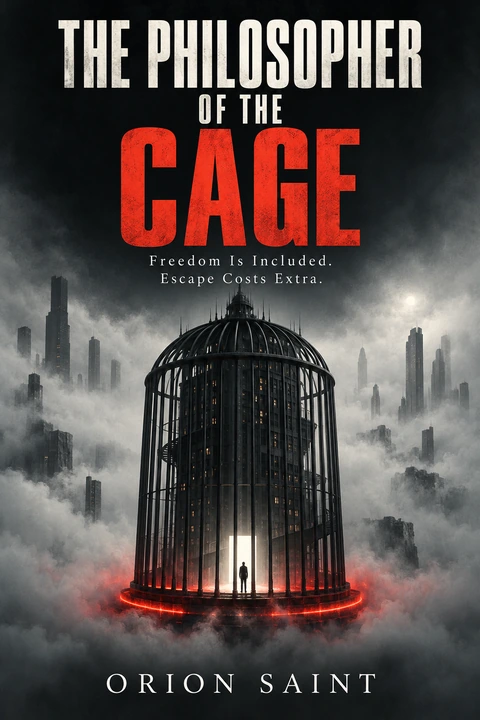
The Philosopher of the Cage
Freedom is included. Escape costs extra.
The door was working perfectly. It just wouldn’t let him out.
Fiction · Satire · Art
A little fiction. A different reflection.
A Bulgarian writer & artist in South Florida — stories about the things we say, the things we mean, and the space between.
The latest book
Freedom is included. Escape costs extra.
The door was working perfectly. It just wouldn’t let him out.
 View the portrait
The books
Read the first three chapters free. Complete books, $2.99.
 Tap to open
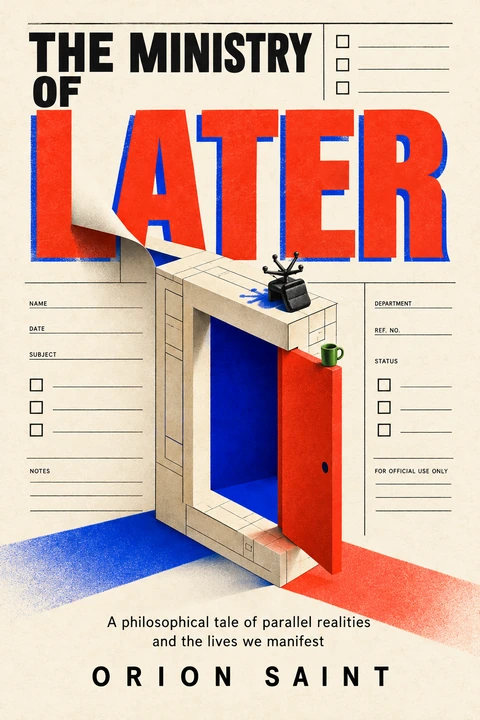
Your life is pending. Permission not required.
 Tap to open
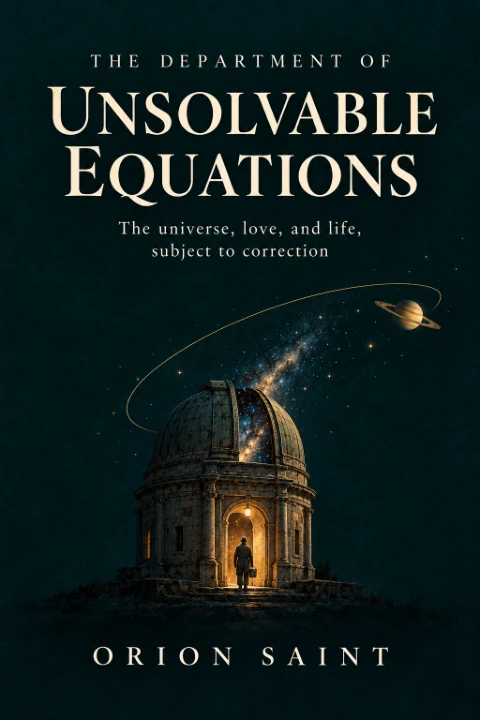
A city puts a number on his life. Correcting it will cost more than he expects.
 Tap to open
Some things can be repaired. Others have to be heard.
A marriage, imperfectly translated.
 Tap to open
The universe has excuses. Your landlord has a deadline.
 Tap to open
God and the Mirror · Bulgarian
An empty mirror. A life beyond the reflection.
 Tap to open
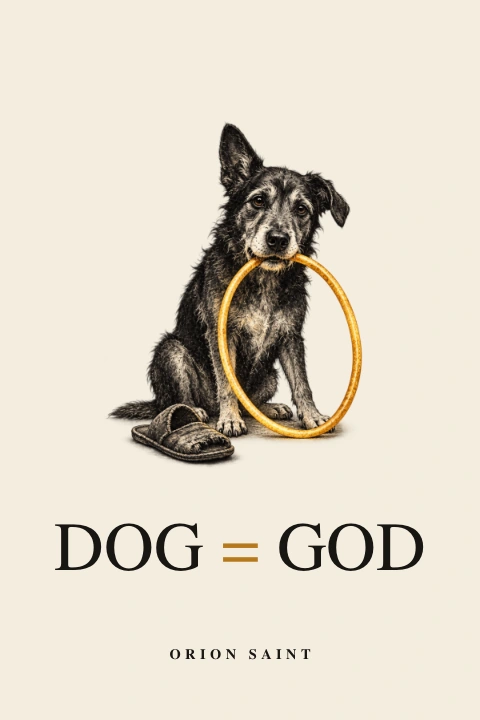
The ordinary work of loving someone.
 Tap to open
A redneck, an AI, and the administrative collapse of reality.
Browse all editions & free PDF previews ↗
Also on the shelf: The Temple of Compliance 18+
Visit the reading room ↗
A free notebook for you
Full 44-page PDF · English · A5 · Both covers included
No account or payment required.
At one and a half speed, his wife was fine.
At normal speed, she was not.
Incomplete Lines · Chapter 7
A letter when there is a story
New stories, occasional notes. A little something worth opening.
Lou Bennett read the power bill twice, in case $186.40 was a typo that could be frightened into backing down. It held its ground. The company had printed PAST DUE in red, a level of emotional involvement Lou found inappropriate for a utility.
He slipped the bill under the sugar bowl. The sugar bowl was his household’s Department of Pending Things. Beneath it lay a warranty for a toaster that had achieved room temperature permanently, a note about the kitchen cabinet hinge, and a postcard from his son Eli that said SEE YOU IN MAY. May had come and gone. The hinge had also gone, though it had traveled only as far as the junk drawer.
At fifty-two, Lou could fix a leaking pipe, hang a door, and identify a questionable renovation from the street. His own kitchen cabinet had been broken for three months. He had explained this to Nora as a scheduling issue, which sounded more respectable than a hinge issue.
Nora ran an alterations business from the front room. That morning a woman had asked her to let out a dress while preserving the appearance of a woman who did not need her dress let out. Nora charged for the fabric work and provided the emotional negotiation free, which was probably why she was tired.
“How much?” she asked without looking up from her sewing machine.
“Depends how you look at it.”
“With eyes, Lou. I’m going with eyes.”
He handed her the bill. She checked the balance in their account, then put the paper on top of the sugar bowl. This was a small domestic revolution. Nobody stormed anything. A piece of paper simply became visible.
“Call the city about your money.”
The city owed Lou $420 for fixing a pump at the preschool. The pump worked beautifully. His invoice was apparently waiting for another invoice to bless it.
“I’ve been meaning to.”
“Are they accepting meaning to now? Because we could be rich.”
He opened his mouth, closed it, and went out for bread. Nora let him go. She had learned that helping someone find his words could become a second job if you weren’t careful.
Outside the grocery store he found Brad Boone and Denny Pike occupying a picnic table with the commitment of men avoiding an appointment.
Brad had sold replacement windows, insurance, and a course about overcoming your limiting beliefs in replacement windows and insurance. He was between ventures, a condition he called building runway. His current runway was a borrowed lawn chair.
Denny had spent twenty-seven years in a shipping warehouse and still liked everything labeled. He carried a pocket notebook containing observations no one had requested. He knew the men’s-room hand dryer at the diner ran for seventeen seconds. He had timed it eleven times. Science, he felt, demanded consistency.
“Rough morning,” Lou said.
“Mercury,” Brad said immediately.
“What about him?”
“Retrograde. Communication, money, relationships. Everything’s messed up.”
“My bill seems to have communicated just fine.”
Brad tapped the table. “That’s how it gets you.”
Denny nodded. He had recorded three late deliveries and a jar falling off a shelf. Until that moment they had been separate incidents. Brad had just supplied a supervisor.
Lou sat down. He didn’t believe much in astrology. He believed in fittings that fit and people who paid when they said they would. But after weeks of being told his money was processing, it felt good to hear that the responsible party was somewhere city payroll couldn’t hide behind lunch.
“Fine,” he said. “Mercury owes me money. Can I send him a payment request?”
Brad took a thoughtful sip of coffee. “We’re not at the infrastructure stage yet.”
“Buddy, you’re talking about a planet. The infrastructure seems pretty established.”
A woman passed them carrying a yoga mat and a cold brew. Brad asked whether she’d had a stressful week. She stopped so suddenly Denny made a note.
“Don’t even get me started. My ex says he’s protecting his peace. He’s protecting his half of the security deposit.”
Brad nodded with professional sympathy. “External factors.”
“Exactly.”
She walked off looking relieved. Lou watched her go. Nothing had changed about the deposit. Nevertheless, something had been delivered.
Inside the store, bread cost thirty cents more than he remembered. He bought it, checked his phone, and finally called the city’s accounts office. A recording assured him his call was important. It had the relaxed confidence of someone who was not going to answer it.
Outside, Brad was already writing on a napkin.
Сутринта, в която реши да нарисува себе си, Елена първо изми огледалото. После прозореца. После чашата, от която още не беше пила. Когато стигна до дръжката на кухненския шкаф, разбра, че домакинството отново е наето да прикрива страх.
Беше на петдесет и две. В ателието ѝ имаше портрети на хора, които не познаваше добре, но беше рисувала с щедрост. Продавачката от пекарната имаше уморени клепачи, изобразени с нежност. Един стар актьор имаше гуша, която в картината изглеждаше като част от сложния му живот. Собствената ѝ брадичка обаче беше административен проблем, изискващ незабавно решение.
Понякога си представяше посетител, който ще види картините и ще разбере колко заслужава да бъде обичана. Той трябваше да се възхити и от свободата ѝ от чуждото мнение. Елена се срамуваше от това желание. После се възхищаваше на честността, с която го признава. Можеше да продължи така до вечерта, без да направи първата линия.
Постави огледалото до платното. Направи първата линия по-тънка от видяното. Удължи шията. Премести едното око. След четиридесет минути върху платното се появи жена, която вероятно би могла да бъде нейна по-малка, по-добре финансирана сестра.
Елена обърна картината към стената.
Вратата на галерията изскърца. Николай носеше рамка под мишница и закуска в хартиена торба. Той реставрираше мебели и картини и имаше дразнещото качество да забелязва кога нещо е прекалено поправено.
- Кого рисуваш?
- Никого засега.
- Скъпа работа. Никой обикновено не плаща.
Остави рамката и седна. Не посегна към обърнатото платно. Елена оцени това повече, отколкото би признала.
Предстоеше ѝ изложба след шест седмици. Заглавието беше „Преди да се скрия“. Беше го измислила в ден, когато се чувстваше смела. Днес ѝ звучеше като име на престъпление, извършено от самата нея.
- Искам да рисувам хората, преди да се престорят на други - каза тя.
Николай разгъна торбата.
- Ще имаш ли столове?
- Какво общо има това?
- Ако ще бъдат хора, някой ще иска да седне.
Тя се усмихна. Винаги започваше с големите въпроси. Той проверяваше дали лампата работи и дали човекът има къде да остави палтото си.
След като си тръгна, Елена обърна платното отново. Погледна гладкото чуждо лице. То не беше лошо нарисувано. Именно това я натъжи. Беше вложила умение в собственото си отсъствие.
На нов лист започна от ръката. Имаше петънце боя край нокътя, груба кожа на палеца и малка следа от порязване. Нарисува ги. Ръката приличаше на нейната и не изискваше обяснение.
Лицето можеше да почака до утре. За първи път от години отлагането не приличаше на бягство. Беше решила откъде може да започне, без да се лъже.
At four that afternoon, a product manager asked me to remove the word warning from a warning. It frightened customers, he said. We were talking about a dishwasher door that could fall open if the machine had not been secured beneath the counter. I had spent the morning making the instructions shorter. Now he wanted them friendlier.
“The door won’t be any lighter,” I said.
He smiled with the patience people use when they believe you have mistaken a commercial problem for a moral one. We agreed to ask the engineer. After the call I sat with my hand on the mouse and did nothing until the screen darkened.
Daniel’s invitation was still in my messages. A gallery opening, seven o’clock. He had helped the photographer hang the show and wanted somebody there who would tell him if the frames were crooked. I said I might come. He sent back the address, refusing to treat might as an answer.
At home I changed my shirt twice. I was forty-two and had begun to recognize certain arrangements in my life: the unwashed cup beside the keyboard, the lamp left on when I went to bed, the elaborate preparation for evenings I would later claim had meant nothing. I put on the first shirt again and left before I could cancel.
The opening was small and badly lit. Black-and-white photographs of empty rooms hung on temporary walls; people stood in front of them holding plastic cups and talking about other things. I had come because a friend said the work was good and because I had nothing else to do on a Thursday. I stayed because of the woman by the back wall.
She was not looking at the photographs. She was watching the people who were looking at them. Dark coat, hair pulled back, one hand around a glass she had not drunk from. When someone laughed too loud she turned her head a fraction, not toward the sound but toward the person who had made it, as if she were checking the size of the room. I watched her for three minutes before she noticed. When she did, she did not look away.
I crossed the floor with a cup I did not want.
Daniel had already introduced me to three people whose names I had forgotten. He saw where I was looking and raised his eyebrows. I pretended not to notice. He went back to adjusting a print that had probably been straight all along.
The woman had a faint ink stain along the side of one finger. I noticed that before I noticed the shape of her mouth. It was a useful detail to hold on to while I worked out how to cross the remaining distance without looking as though I had rehearsed it.
“Are you waiting for someone?” I asked.
“No,” she said. Her voice was lower than I expected. “Are you?”
“I came for the rooms.” I nodded at the nearest print—an empty hallway, one window, dust on the floor. “They’re quieter than the people.”
She looked at the print, then at me. “Most people come for the people. The rooms are just the excuse.”
“And you?”
“I come to see who stands still.” She took a sip she did not seem to need. “You stood still for a while.”
We talked for twenty minutes. I told her I wrote instructions for appliances and worked on stories at home, though I rarely finished them. She asked which appliances. When I said dishwashers, she laughed.
“Mine has been making the same noise for six months. Your instructions haven’t helped.”
“Have you read them?”
“Of course not.”
She restored books for a university library. That week she was repairing an atlas someone had tried to mend with household tape. She described the adhesive, the hours spent lifting it, the librarian who wanted the book back for an exhibition before it was ready. As she talked she rubbed a small patch of dried paste from her thumb.
“You learn what a thing can take,” she said. “And what it can’t.”
I asked if she ever wanted something that could take a lot.
She was quiet long enough that I thought I had gone too far. Then she said, “I want things that know when to stop. Most people don’t. They want the idea of control. They don’t want the work of it.”